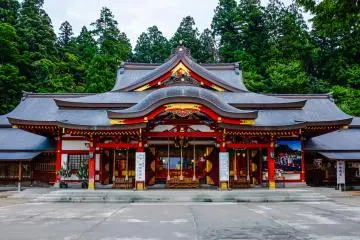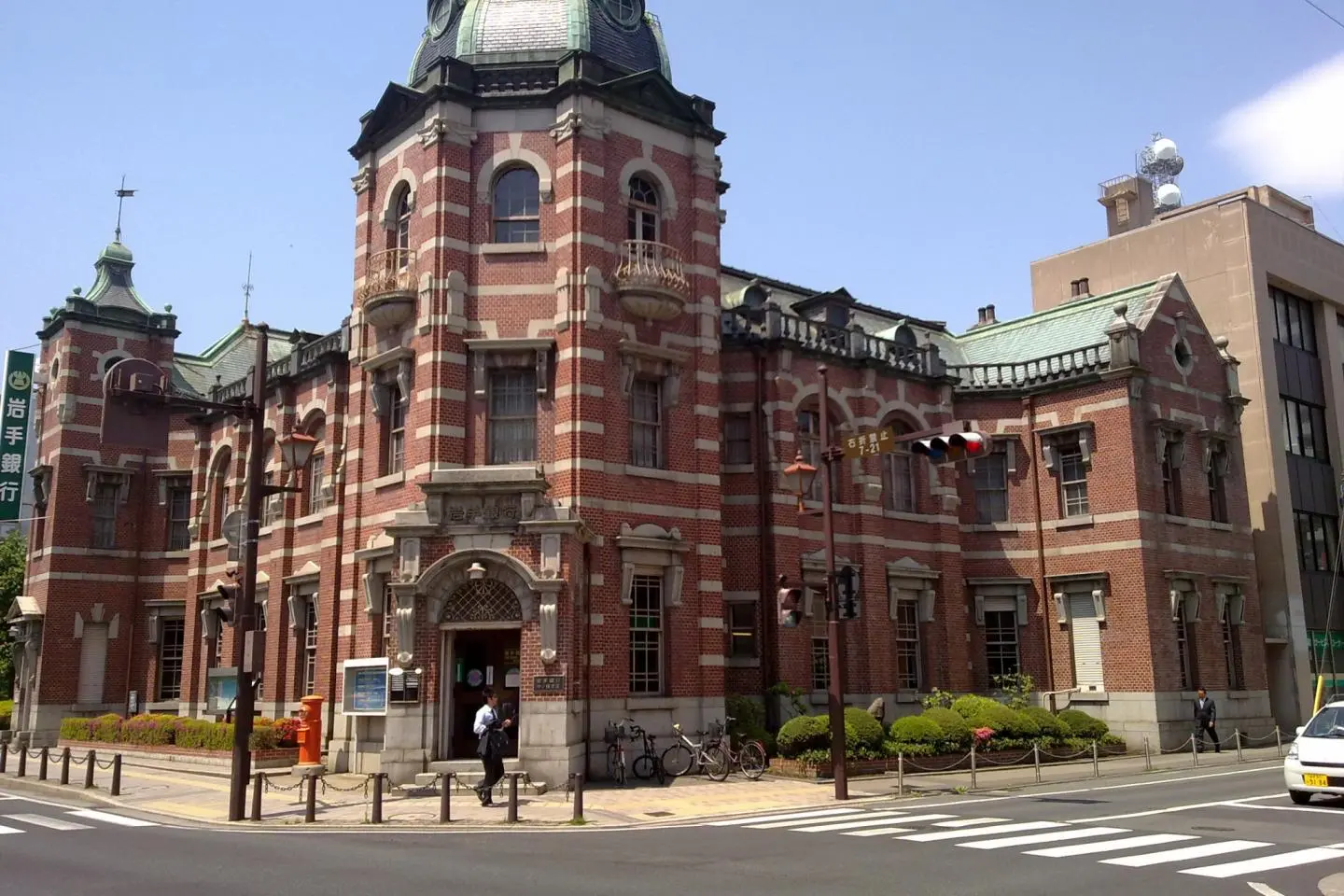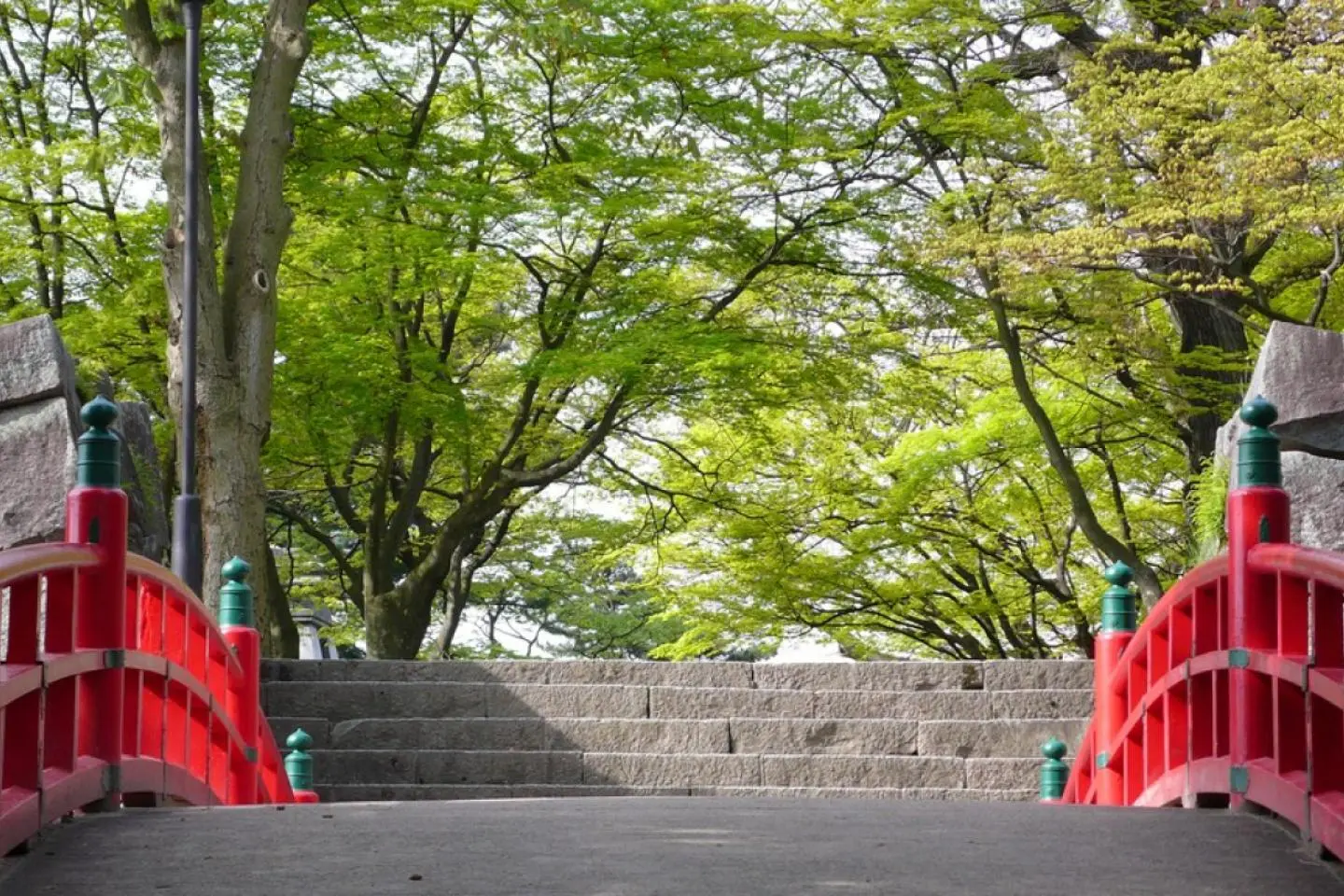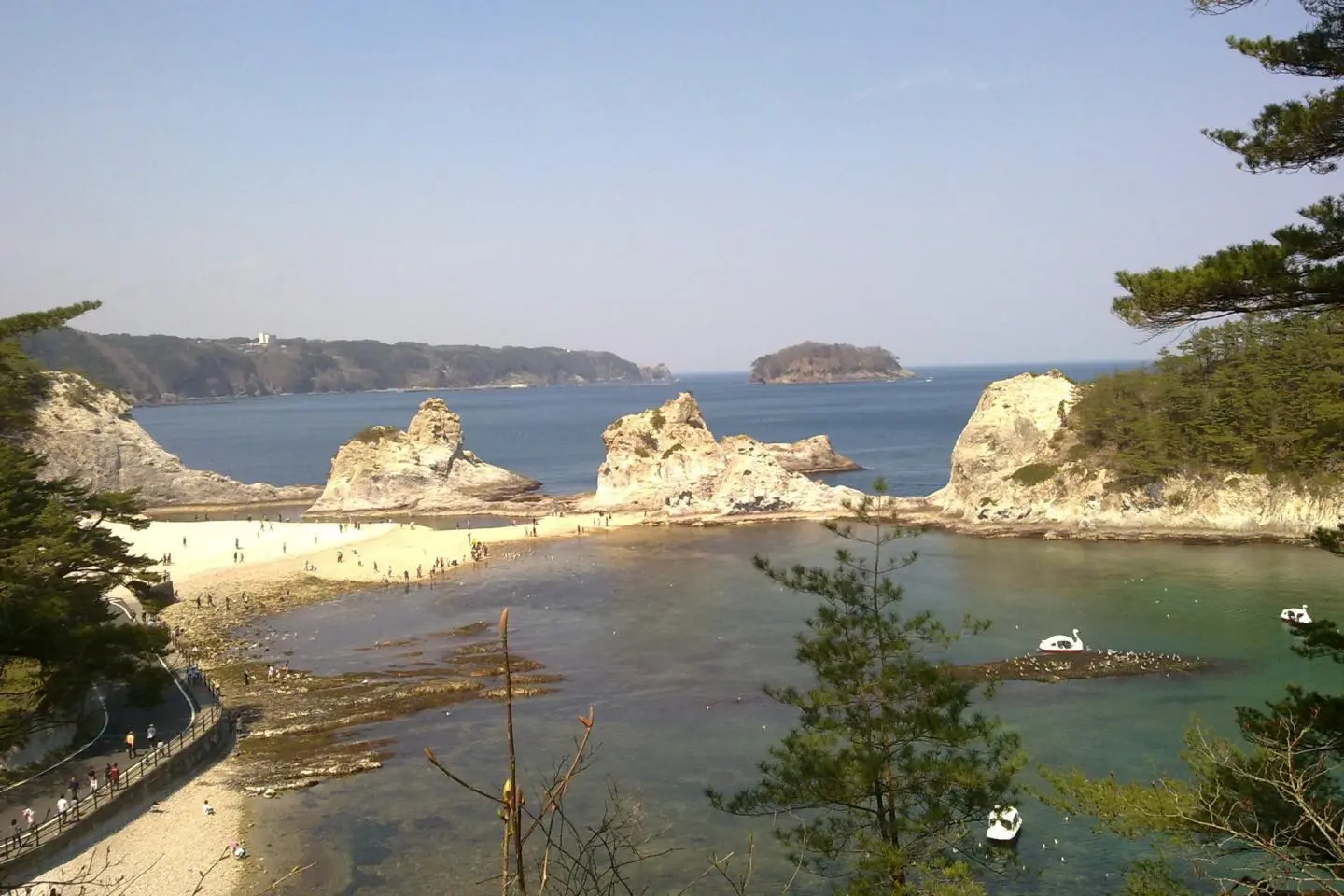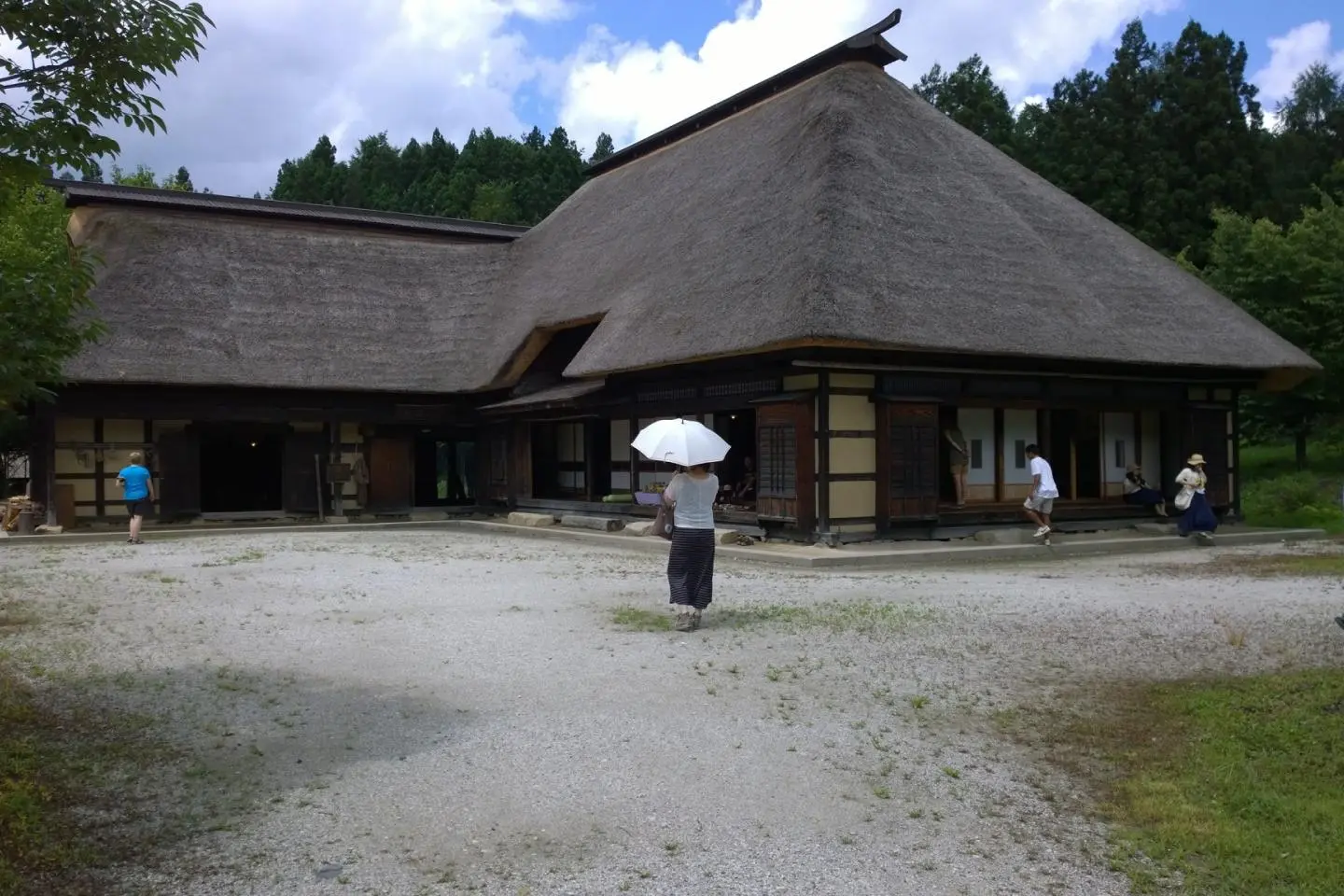
Iwate is a prefecture in the north-eastern part of Japan's main island of Honshu. It is surrounded by Aomori to the north, Akita to the west, Miyagi to the south, and the Pacific Ocean to the east. Iwate is the largest prefecture in Japan, Hokkaido is bigger but is not called prefecture, it also has one of the lowest population, at only about 1.3 million.
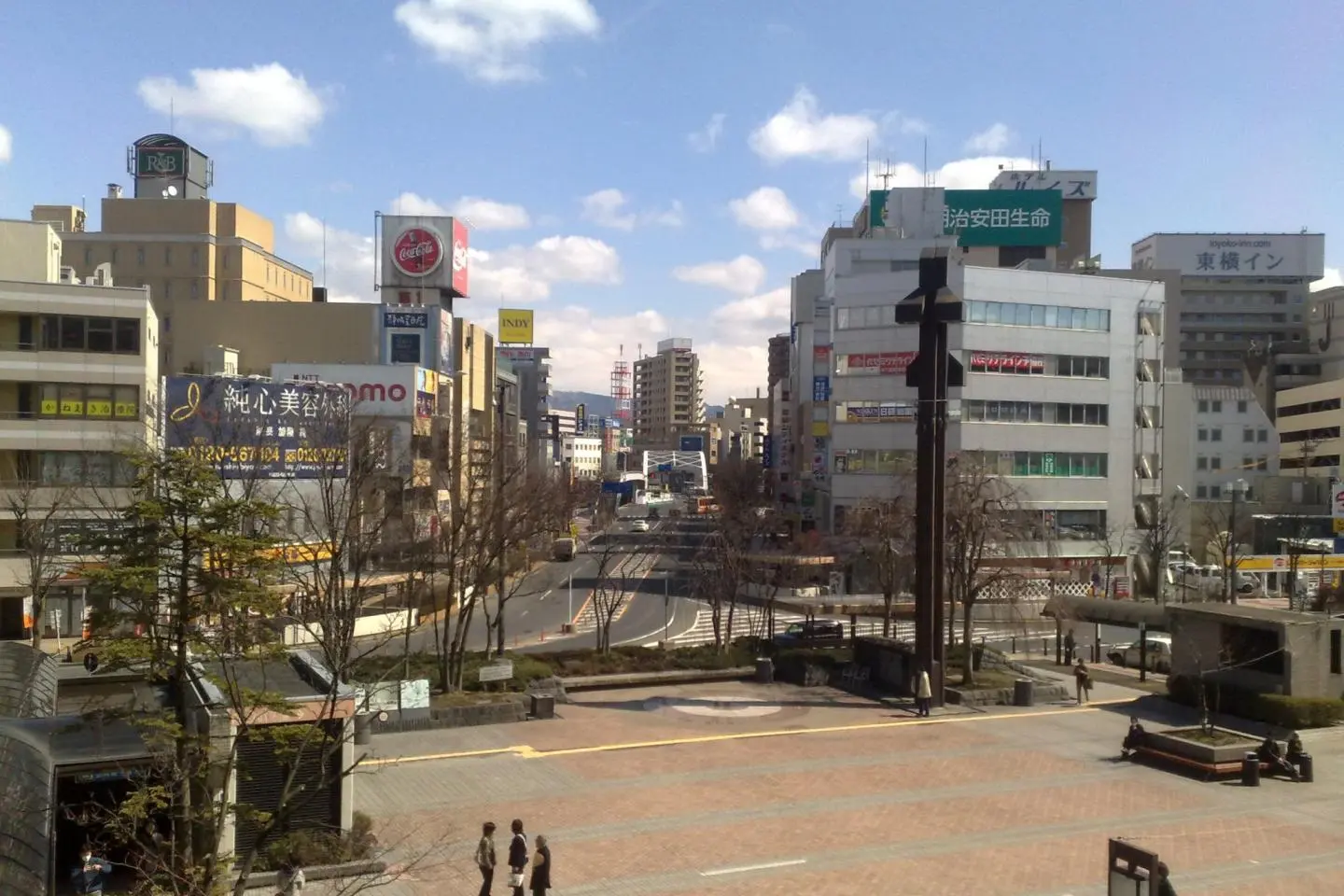
Morioka is the capital city with a population of about 300,000 people. Other important cities include, Oshuu, Kitakami, Hanamaki and Ichinoseki. That said, Iwate has a lot of open spaces and natural beauty if you love the outdoors this is the place for you.
Natural features
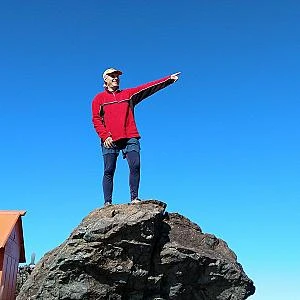
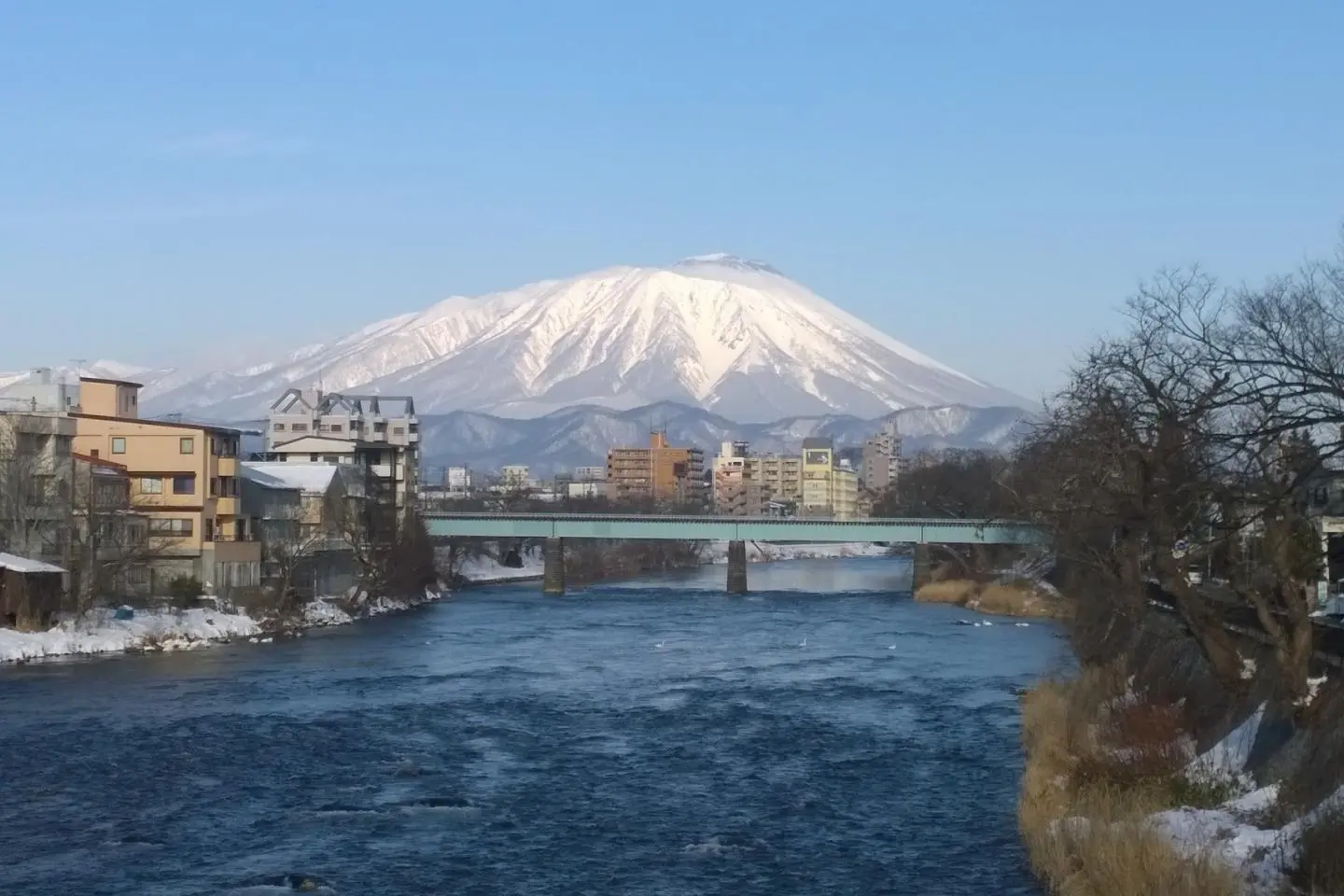
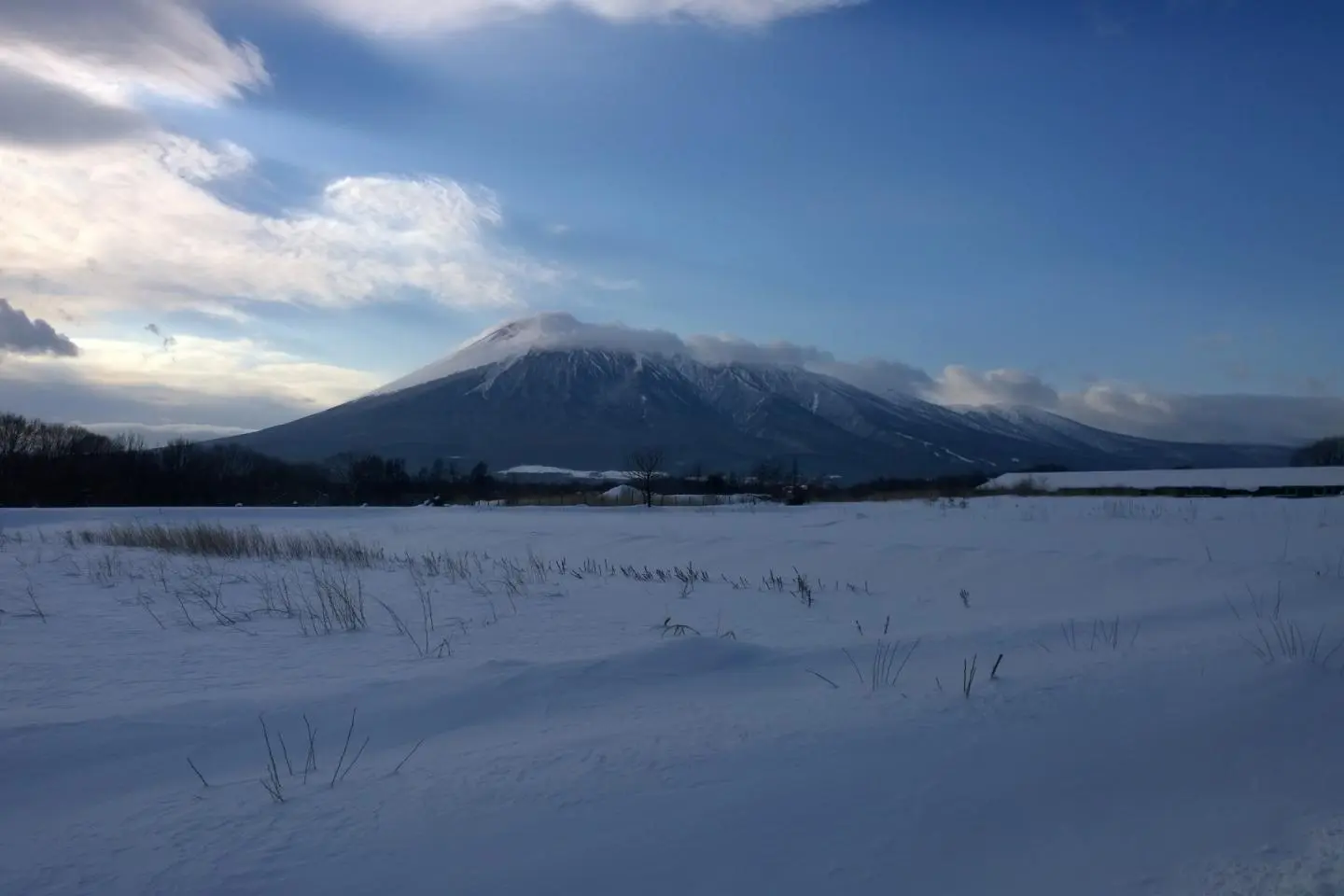
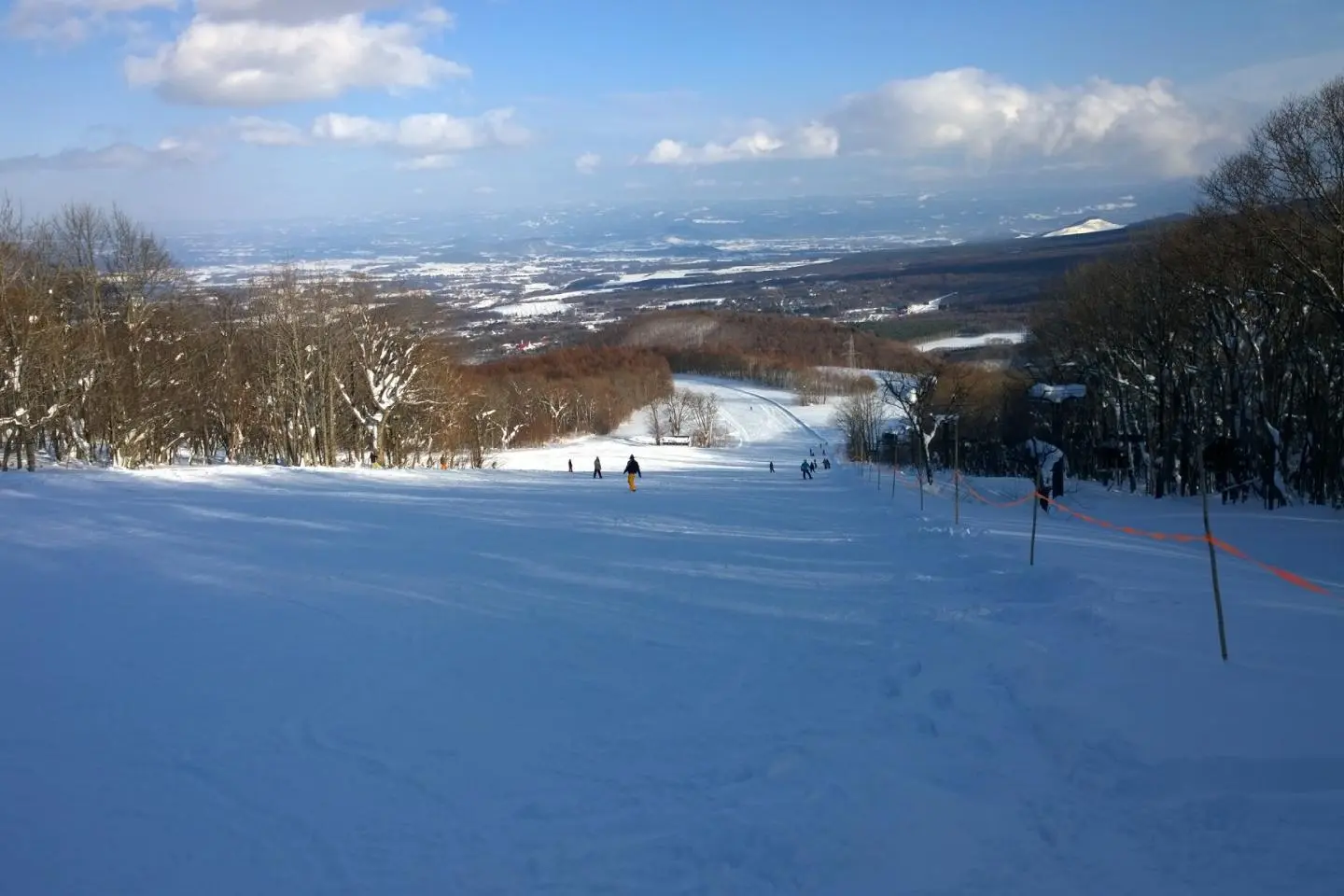
Some of those natural features include hot springs, Hanamaki alone has over 2 dozen locations, they vary from very rustic to full spa services with massage, aroma and hot stone therapy. Other natural features include mountains, Mount Iwate is the tallest at over 2000 meters, next is Hayachine also at over 2000 meters, the third mountain is Himekami at around 1200 meters. Mount Iwate is a volcano and showed some activity in the late 1990's, it was off limits for about 5 years. It's also the most impressive as it towers over Morioka and is visible from almost anywhere in the city. The mountains offer plenty of hiking trails and nature viewing. If you're a skier or snowboarder you'll love Iwate, it has about a dozen ski resorts, several of them with their own hot springs on location. The prices are extremely competitive, day passes run between $30 to $50. Appi is the premium resort with the longest runs and most modern lifts and hotels. Geto gets most snow at over 5 meters each year, be careful off piste, you can easily fall in deep powder well over your head. Most other resorts fall somewhere in between, you can certainly find a place that suits your budget and skill level.
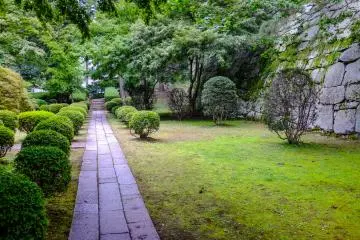
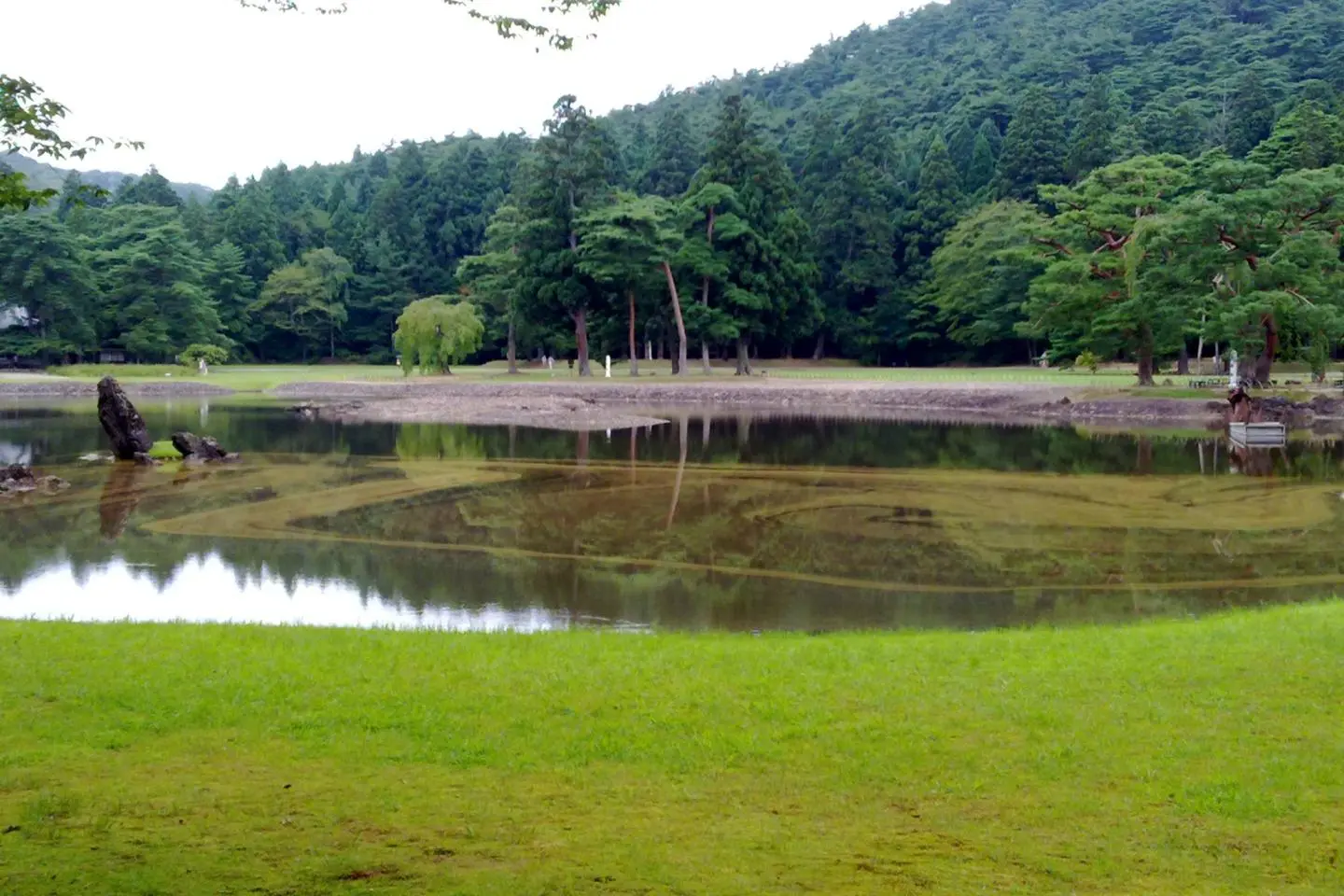
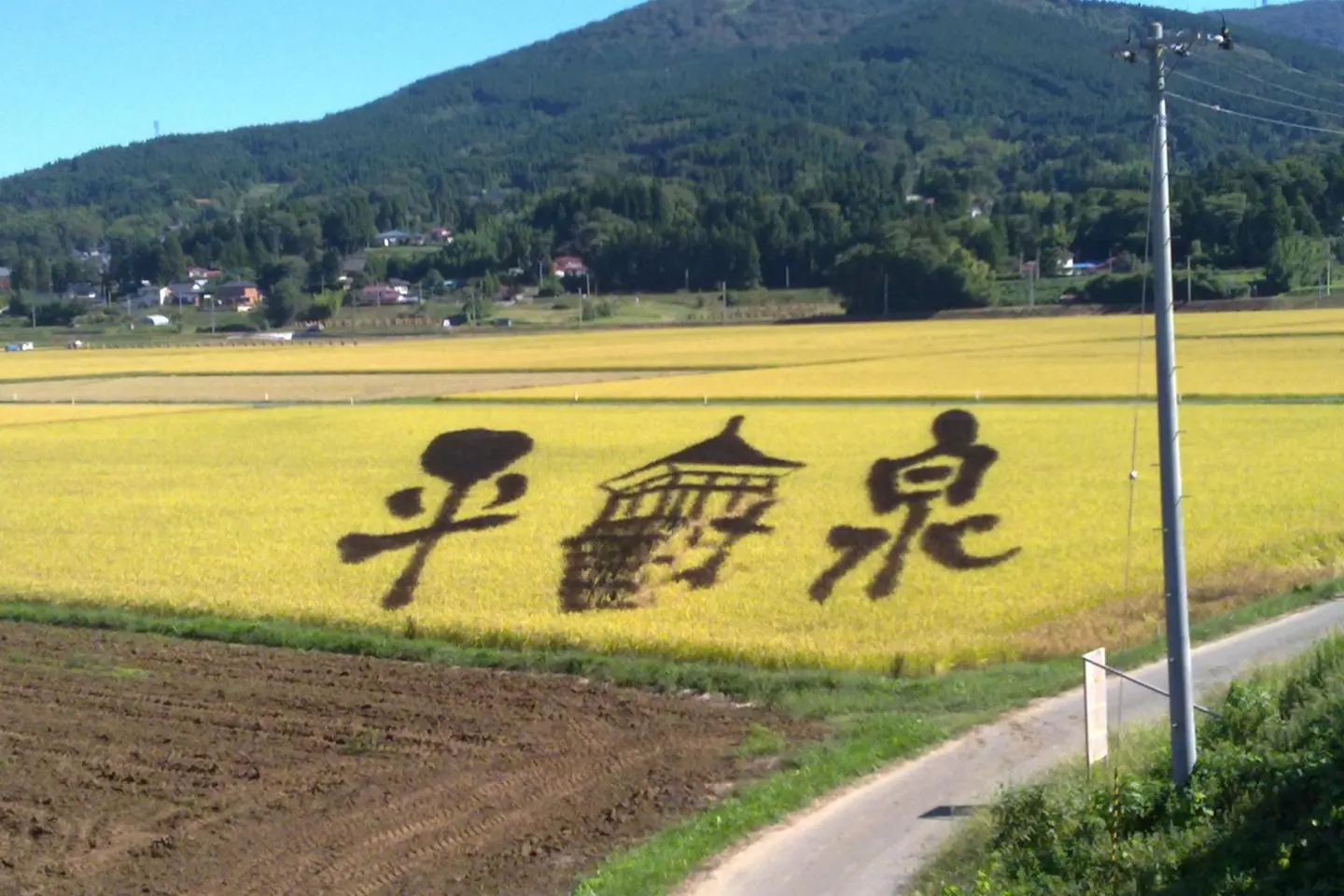
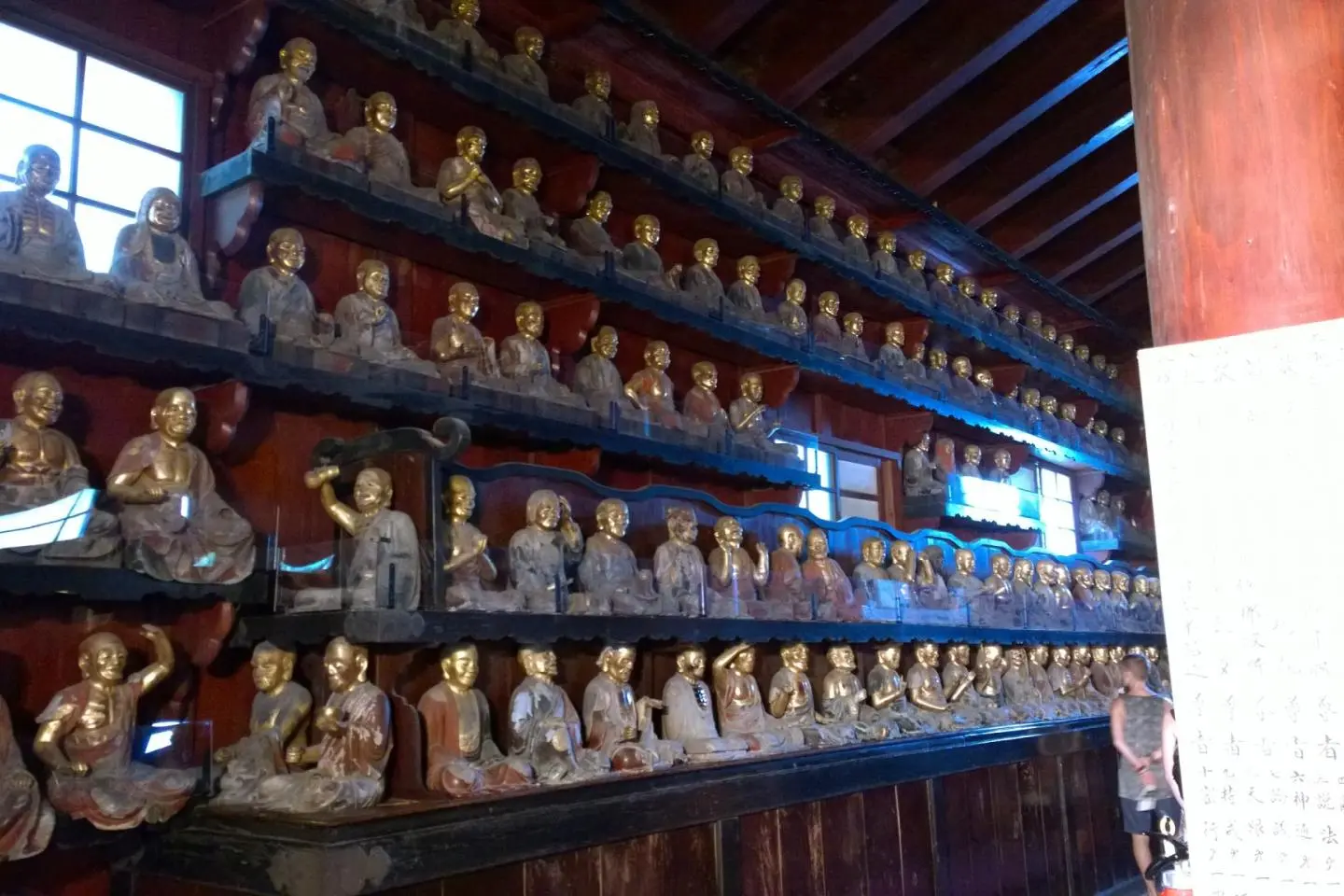
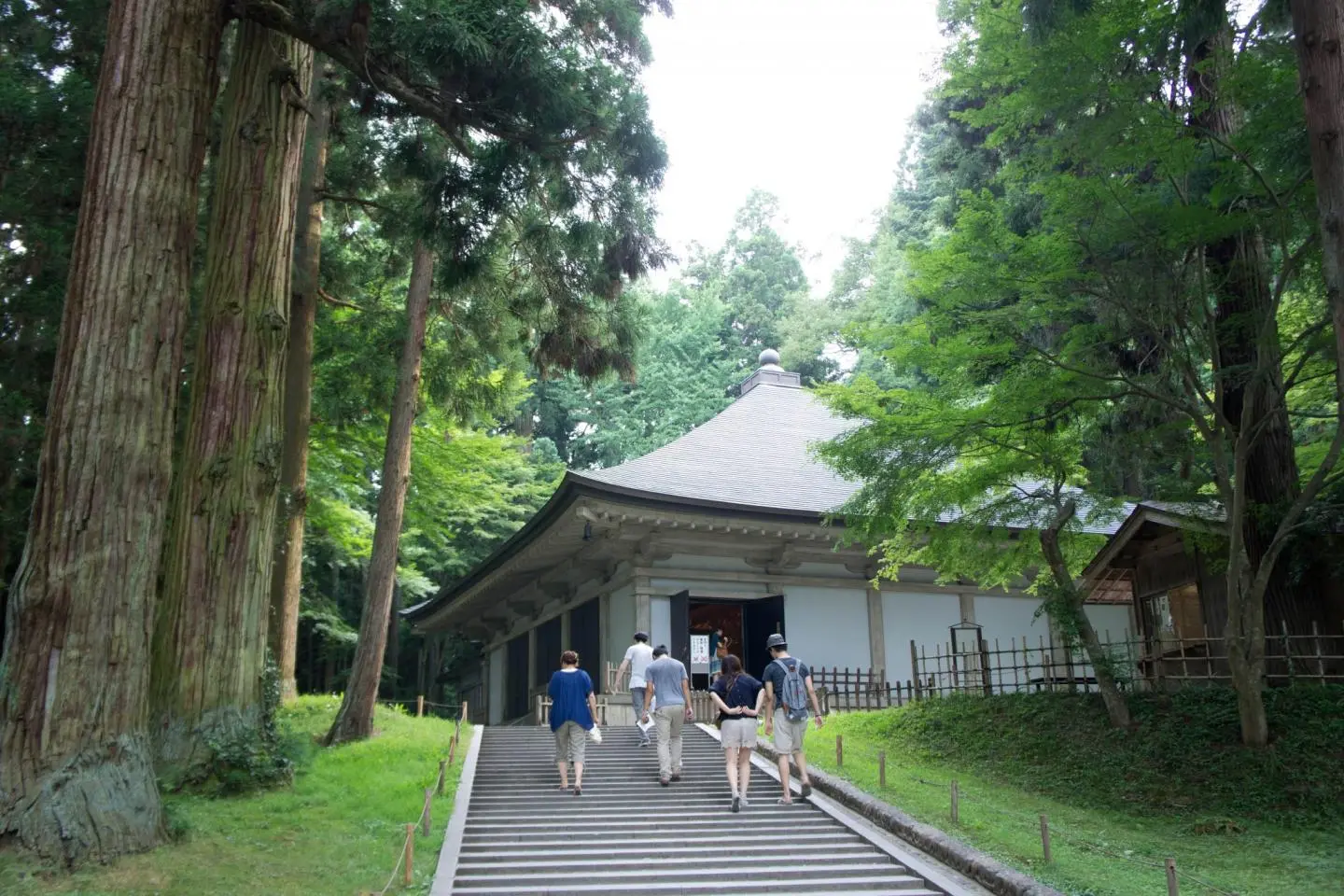
Iwate is also noted for a couple of items on the World heritage list, Chusonji (Chuson temple) in Hiraizumi, was built around 1100 AD was inducted in the list of places, for a time Hiraizumi was the administrative center of the north east region, it was as important as Kyoto then. Since it was an important center the temple and surrounding gardens represent prime examples of designs of that period. Even today the surrounding area is recognized for its peacefulness and tranquility. The other item on the list is so called an intangible asset, the Kagura dance in Ohasama. Kagura dance is a dance to the gods, Ohasama isn't the only place that preforms Kagura dance but has its own style. You can watch a quick video from the Iwate tourism association here
People
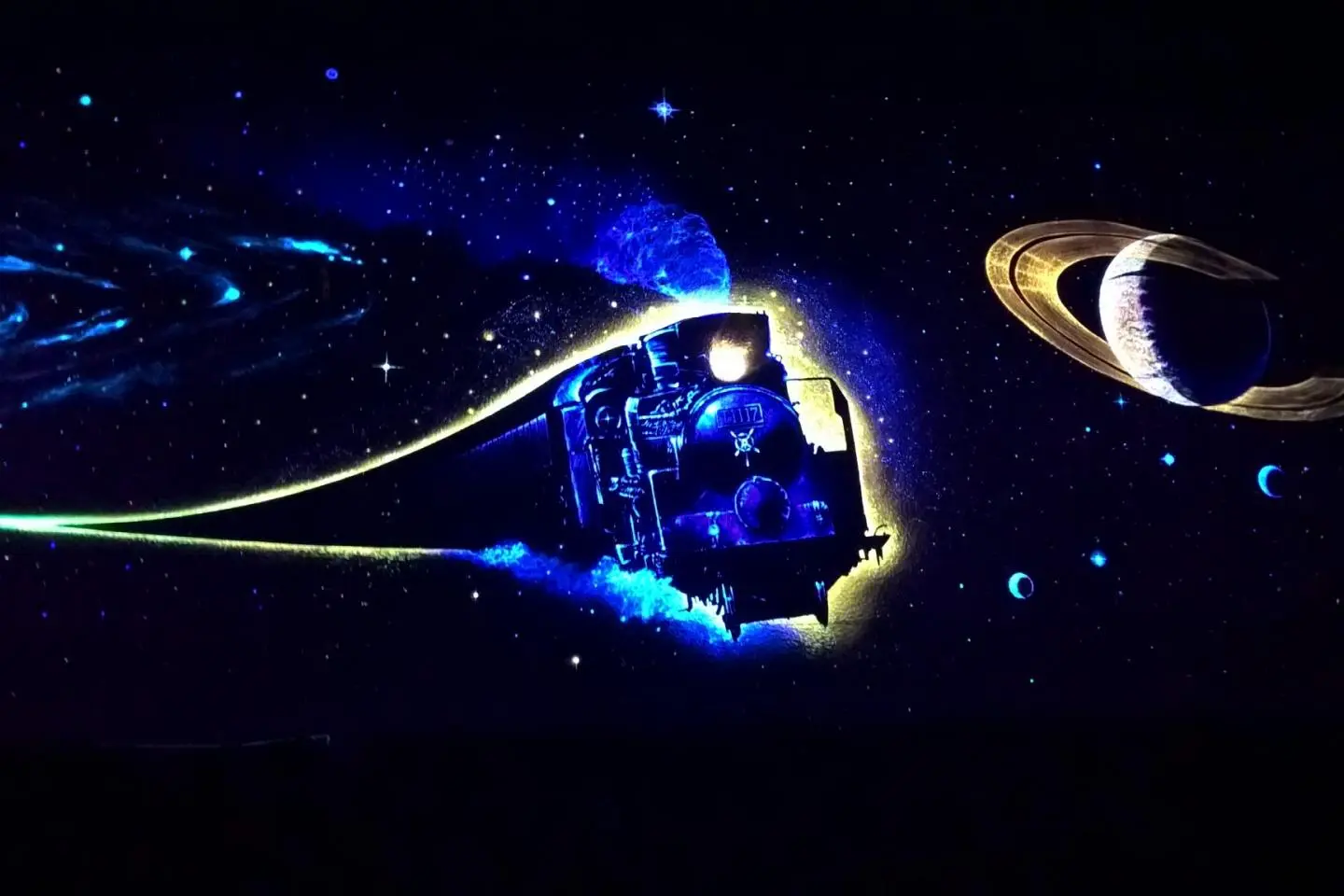
Notable people from Iwate, probably the most famous person to have lived in Iwate was Kenji Miyazawa. He was a writer, poet, musician, teacher and social activist. He wrote children books, poems, music and fictional stories. One of his fictional stories, Night on the Galactic Railroad, was made into an animated film. Despite his incredibly prolific writings, he died in poverty. He had a dispute with his father about the family business and left home to live in very modest conditions. His father ran a pawn shop and became quite wealthy doing that, a business that he didn't think was very ethical. There are several places in Hanamaki that commemorate his life, the Fairy Tales of Kenji Miyazawa (Miyazawa Kenji Dowa Mura) is a themed park near the Shin Hanamaki station, the English coast near the Kitakami river, the Rinpusha coffee shop near the Hanamaki station and others.
Another well known figure from Iwate is Inazo Nitobe, he studied agriculture at what is now Hokkaido University. He later was involved in developing agriculture in the north east of Japan. He was also a diplomat but he is probably most known for his writings. He wrote the book Bushido; The soul of Japan, a book read and recommended by John F. Kennedy and Theodore Roosevelt. He was married to an American woman, quite unusual for that period. While traveling to Canada on business, he fell ill and was admitted to the Royal Jubilee hospital in Victoria where he died of pneumonia. As a result of him being taken care of in Victoria in his final days, the two cities were twined in 1985. There are regular cultural and business exchanges between the cities.
Last year, the morning drama series Ama chan on NHK was set in Kuji, a coastal town in northern Iwate. It became the second most popular morning drama ever after Oshin also filmed in Tohoku. The series depicted the life of Ama divers (oysters and sea urchin divers) a dying occupation. The challenge of young divers whether to stay and continue the tradition or go to the big city.
Food
Iwate is known for several food items, wanko soba (buckwheat noodles), soba is popular all over the country but the Iwate style is to have only one mouthful in a bowl. The idea is to eat as many bowls as you can, there are annual competitions. Another well known noodle dish is Reimen, it's made from potato starch unlike other noodles. It's inspired from Korean noodles, these are always served cold, most noodles are served cold in summer. They are served in a cold beef broth with a slice of pork, half a hard boiled egg, some Kimchi (Korean pickled cabbage) and a piece of watermelon. And finally Jajamen, made of Udon noodles, fat wheat noodles served with sliced cucumbers and topped with a miso (fermented soybean paste) and pork sauce served hot or cold.
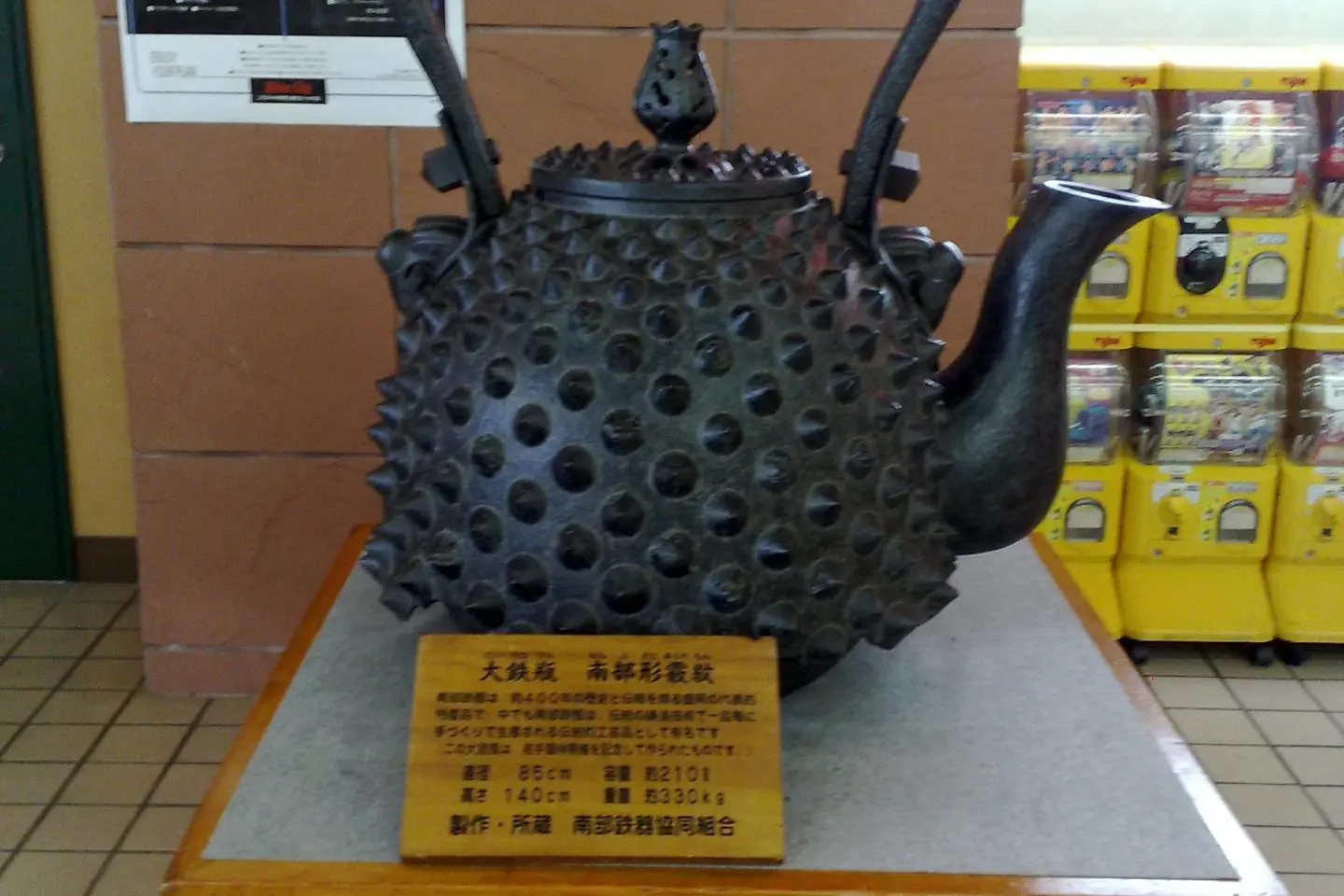
Another popular food item is Nambu senbei ( a kind of cookie with various flavors). Normal senbei are made from rice flour but Nambu senbei are made from wheat flour and are mostly sweet and of a different shape to differentiate them from regular crackers. Also in the sweets department is Kamome no tamago (Seagull eggs) from Miyako on the coast. As the name imply, it's in the shape of an egg, the center is sweet white bean paste covered with a cake like dough and finished with a thin layer of white chocolate. They come in different flavors and are kind of addictive, it's hard to eat just one.
Other well known food items are Iwate Gyuu, (Iwate beef) mostly from Maesawa, Platina Pork from Hanamaki also from Hanamaki is a Guinea fowl farm, all of the above meat items are consumed across the country.
Activities
Aside from the many outdoor activities like hiking, fishing, camping, swimming, cycling and winter sports there are more organized activities. In Takizawa, near Morioka, is Koiwai Farm. It's the largest privately held farm in the country, over 3000 hectares, you can go there any time of year and watch animals or enjoy the many great foods that they make. In early February, they have the Koiwai Snow Festival, as the name implies you can do a lot of winter related activities sliding, snowmobile rides, horse sleigh rides enjoy great local foods, it lasts about 10 days and ends on February 11th with fireworks.
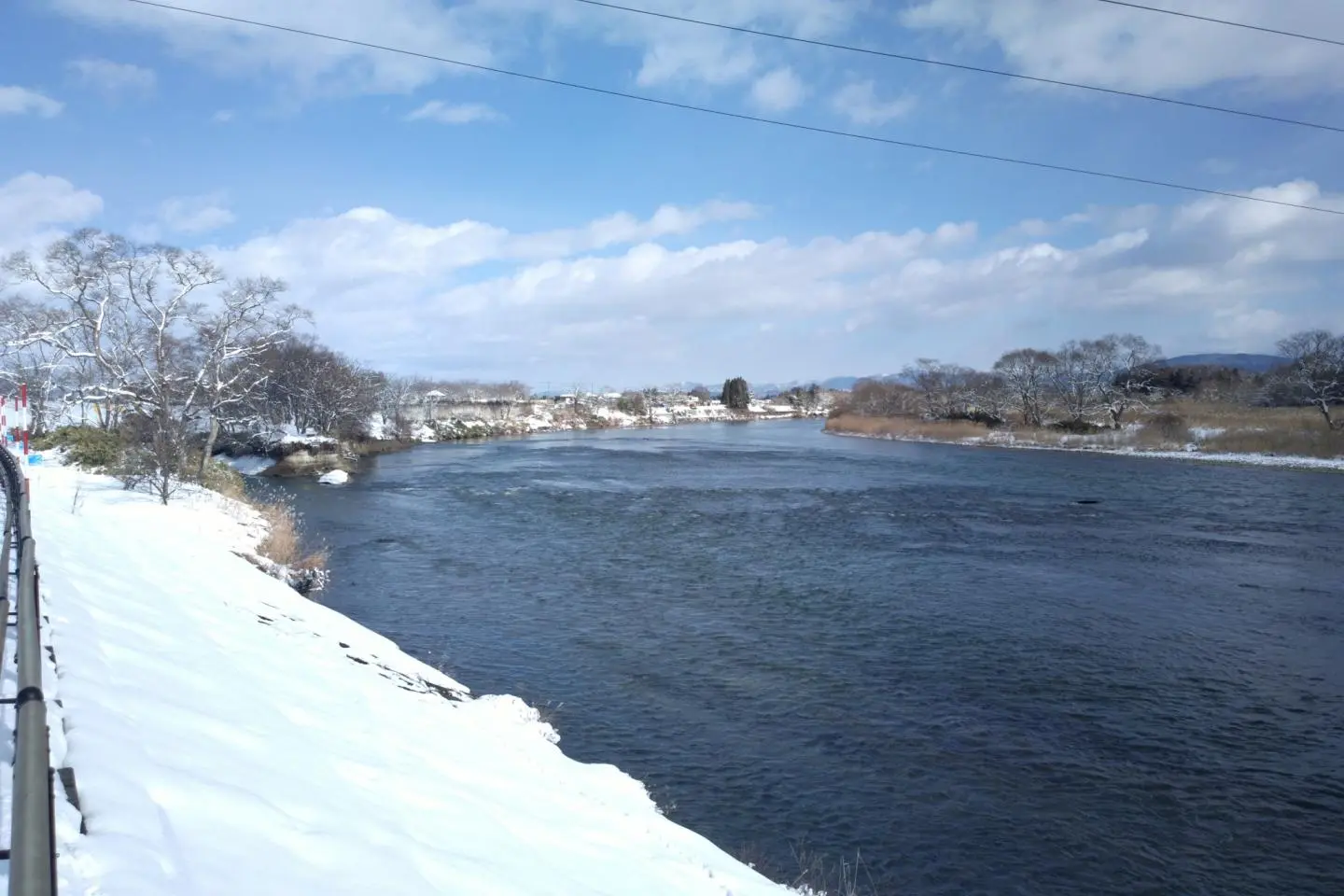
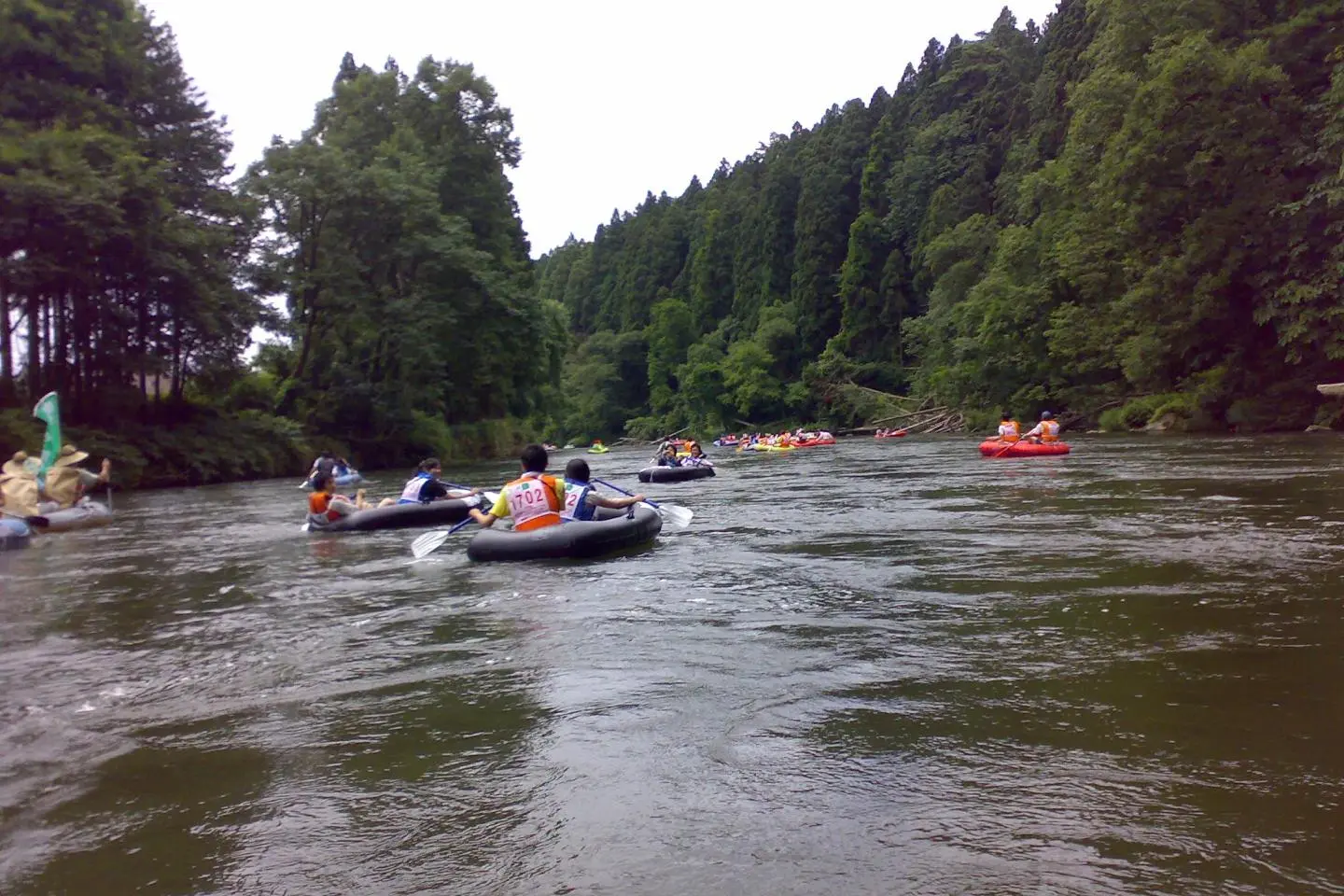
The first 4 days of August is Sansa Odori, a traditional dance festival in Morioka, it's in the Guinness world record book for having the largest number of dancers/drummers (taiko) simultaneously at around 10000, quite an accomplishment. Also in Morioka the last Sunday of July is the Kitakami rubber boat race, you can enter as a competitor or simply for your own pleasure. This event is also in the Guinness World record book for the largest number of rubber boats at once on a river. I was fortunate to be part of that event. Some prizes are awarded for the winners, most people end up having barbecues on the shore of the river near Minami Ohashi (Southern Big Bridge).
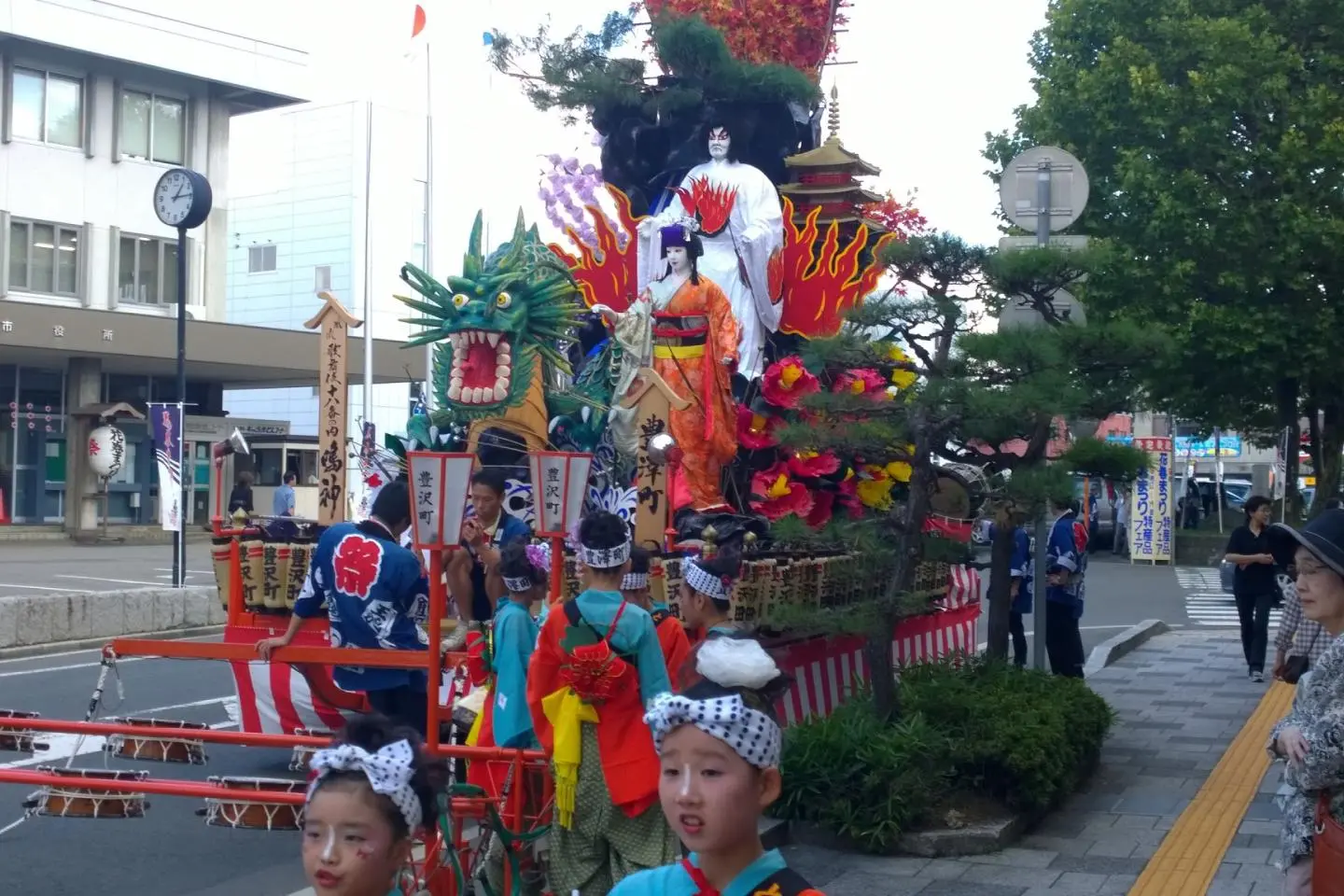
The Hanamaki festival runs on the second weekend of September for 3 days. It's always Friday, Saturday and Sunday. It's known for the Deer Dancers (Shishi odori), dancers with a taiko drum and a deer like outfit also a large number of students playing the Shamisen ( a kind of 3 string banjo). Most cities and towns also have their own festivals in summer, these are the biggest in Iwate.
There is the Iwate Safari Park in Ichinoseki, it's the kind of park where people ride in buses and the animals have more space to roam around. You can watch elephant shows, see a large number of wild animals, they also have a petting area for children.
There are two large caves to visit, Ryusendo in Iwaizumi, it's actually an underground spring, it's over 3 kilometers long and about 100 meters deep, there are other chambers that haven't been explored yet. The other one is Rokando near Kamaishi, Rokando is more rugged, you need to wear a helmet and rubber boots as you"ll have to wade through water.
Ohasama is home to Edel Wine, the city is twined with Berndorf in Austria, they have been making wine for over 50 years. They have won national and international awards. They have a wine festival in September, where young women crush the grapes with their feet just like in Europe, you can eat grapes and of course sample the wines.
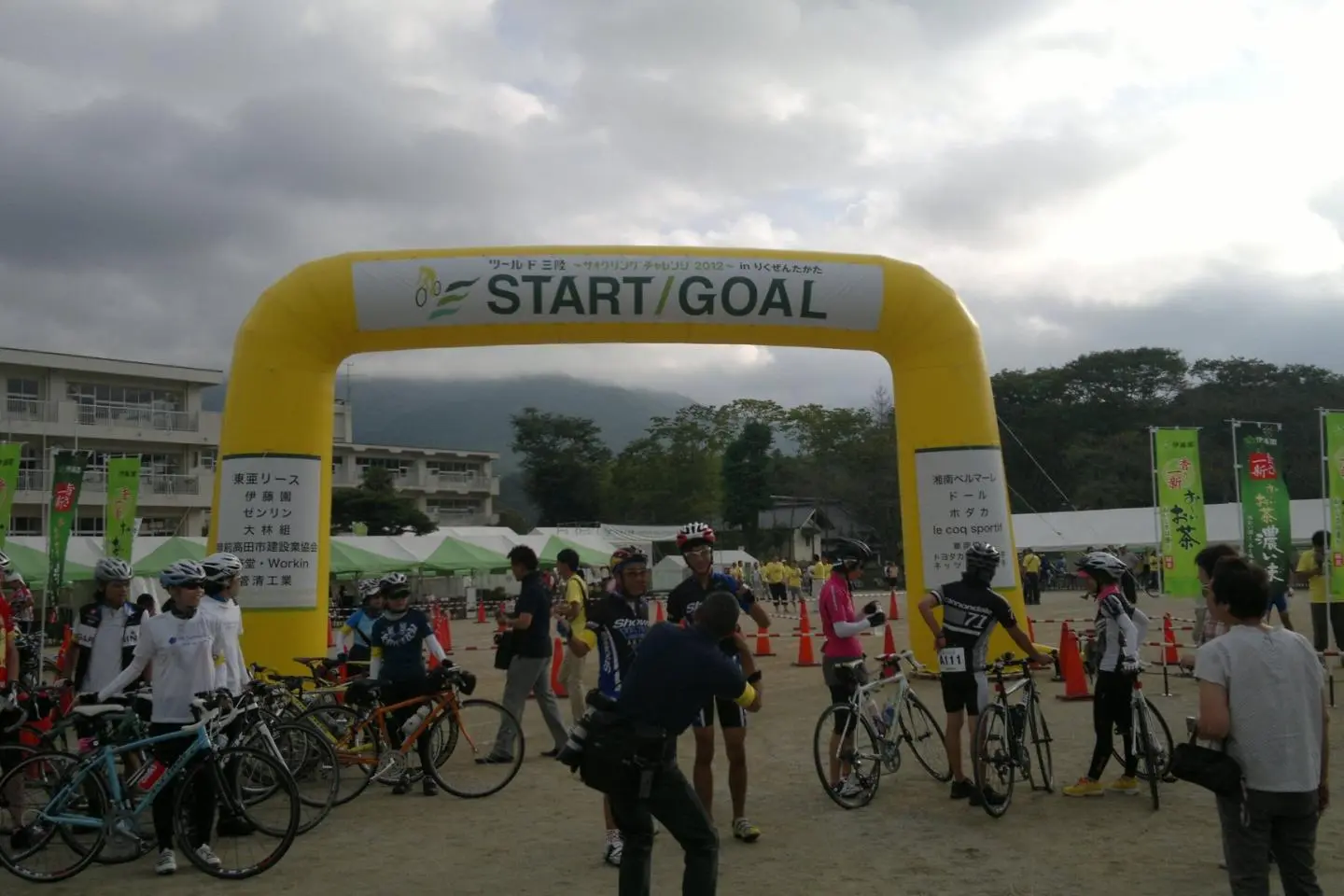
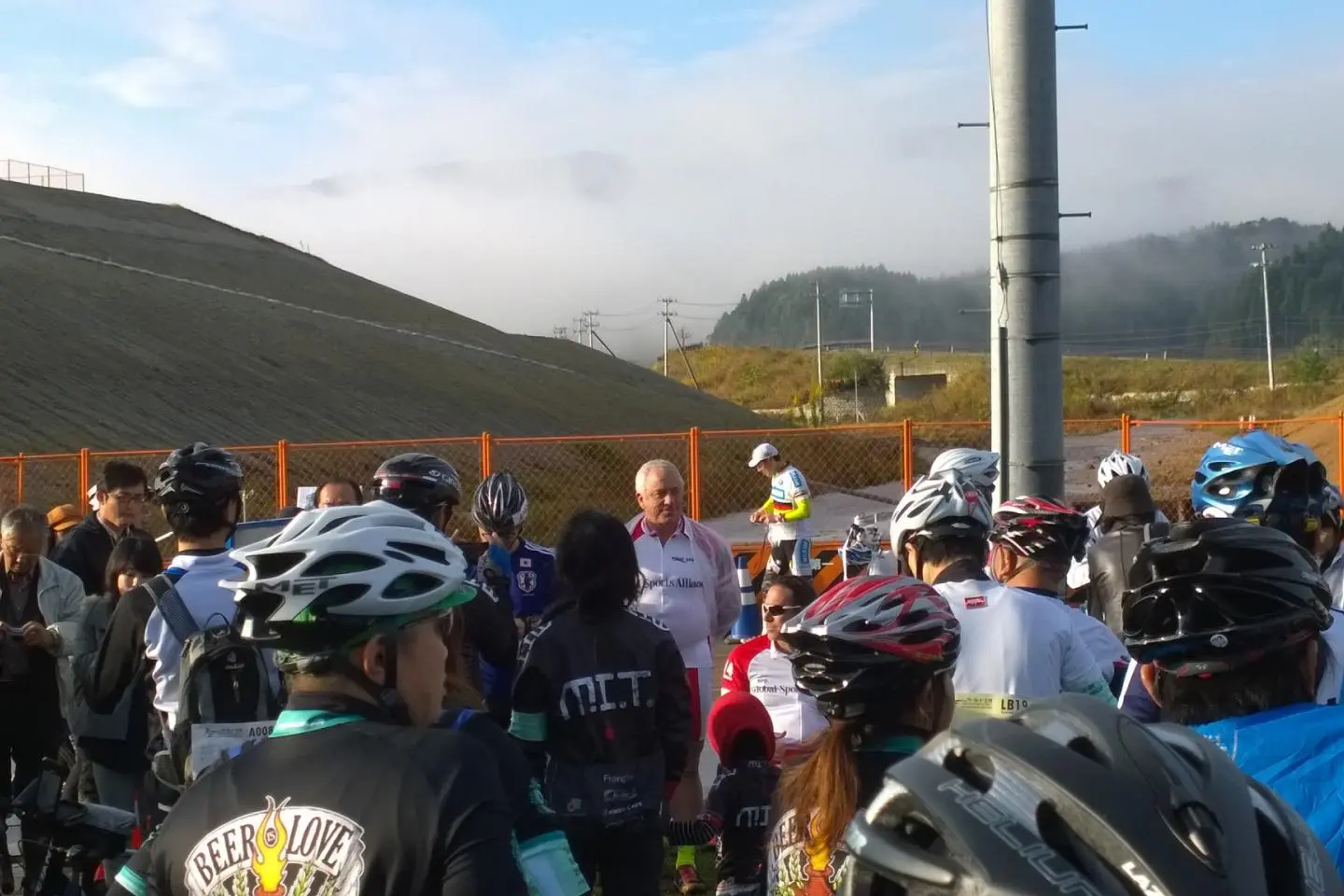
There are also a number of organized cycling events from spring to fall, the biggest is the Tour de Sanriku in Rikuzentakada on the south coast. It attracts over 1000 cyclists of all levels, for the last 3 years Greg Lemond, 4 times Tour de France winner, has attended the event. He wanted to do his part to help rebuild the coast after the 2011 Great East Earthquake. Rikuzentakada was probably the most damaged city by the tsunami, about 80% of the town was washed away. It's nice to see the rebuilding efforts.
So despite not being well known Iwate has a lot to offer, I highly recommend you come to visit this wonderful place of Japan that has been my home for the last 10 years.