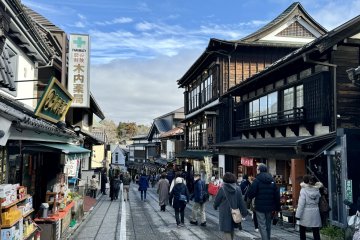
Shikoku has claimed a spot on The Washington Post's list of where to go in 2026 without the crowds, and for travelers feeling a little weary of shoulder-to-shoulder sightseeing, it's a welcome addition.

International travel is booming again, with more than 1.5 billion people crossing borders last year. The downside? Many of the world's most beloved cities now feel perpetually packed, and Japan is a prime example of this. While Tokyo, Kyoto, and Osaka remain irresistible, record-breaking visitor numbers have sparked serious conversations about overtourism and how to spread travelers more evenly across the country.
Shikoku offers a compelling answer to this dilemma. As Japan's smallest and least-visited main island, it feels worlds away from the neon rush of the Golden Route. Here, visitors are not just tourists but are often treated as pilgrims, especially those drawn to the island's spiritual heart. The Shikoku Henro, an 88-temple pilgrimage looping around the island, has attracted seekers for centuries. Whether completed briskly by car or slowly on foot over several weeks, it sets a rhythm of reflection that's hard to find elsewhere in modern Japan.

Food lovers will also find plenty to explore. Each prefecture has its own noodle culture, from Kagawa's famously chewy udon to regional ramen styles rich with pork, chicken broth, or the flavors of the Seto Inland Sea.

Then there are the landscapes. Misty mountains, remote valleys, and historic hot springs define much of Shikoku's appeal. Dogo Onsen Honkan, often cited as Japan's oldest public bathhouse, feels like a step back in time, while secluded outdoor baths in places like the Iya Valley reward those willing to venture off the beaten path.